
Students Explore New Study Destinations
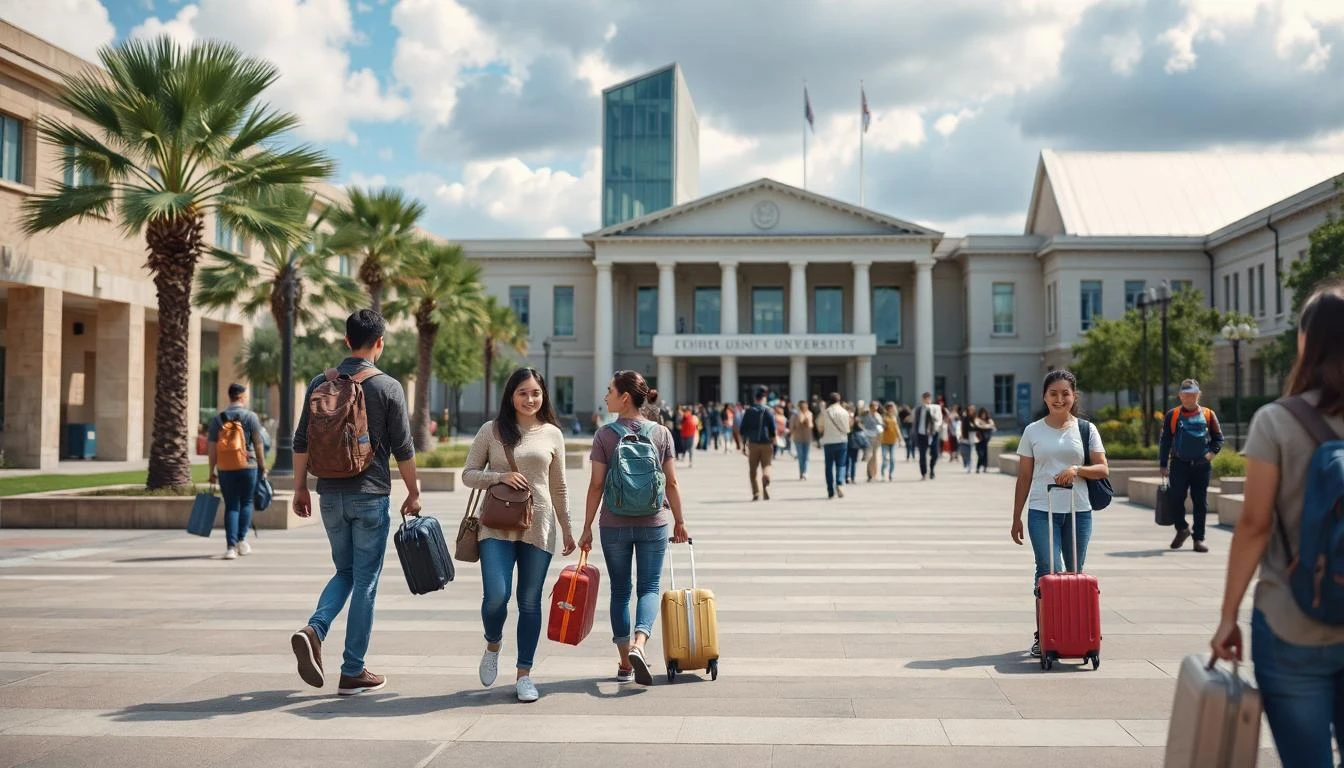
The global education landscape is changing faster than many students realize. While traditional destinations continue to attract international learners, a growing number of students are looking beyond familiar options in search of fresh opportunities, affordable tuition, innovative learning environments, and stronger career prospects. Hidden educational hubs are emerging across different regions, offering experiences that combine academic excellence with cultural discovery.
Today, new study destinations are becoming a major trend among students who want more value from their international education journey. Rather than following conventional paths, many learners are comparing factors such as employability, affordability, quality of life, and post-graduation opportunities before deciding where to study. This shift is opening doors to countries that were rarely considered by international students just a few years ago.
Exploring International Education Opportunities
As higher education becomes increasingly globalized, students have more choices than ever before. The challenge is no longer finding a university abroad, but identifying the destination that aligns with personal ambitions, financial realities, and future career goals.
For many young people, the decision to study abroad is no longer solely about earning a degree. It is about gaining international exposure, developing practical skills, and building a global network that can create opportunities long after graduation. Understanding these benefits can help students make more informed decisions about their educational future.
Benefits of studying abroad
Studying in another country offers advantages that extend far beyond the classroom. Students gain firsthand experience navigating different cultures, educational systems, and social environments. These experiences often strengthen adaptability, resilience, and communication skills that employers increasingly value.
International education also encourages personal growth. Living independently in a new environment challenges students to become more confident, resourceful, and culturally aware. The ability to interact effectively with people from different backgrounds has become an essential skill in today's interconnected world.
As Phil Baty, Global Affairs Director at Times Higher Education, explains, "Students are increasingly looking beyond traditional destinations and focusing on value, quality, and long-term career outcomes." His observation reflects the growing emphasis on strategic educational choices rather than simply following established trends.
Popular destinations for students
Although countries such as the United States, the United Kingdom, and Australia remain popular, several emerging destinations are attracting increasing attention from international students.
Germany continues to appeal because of its affordable tuition and strong engineering programs. Ireland offers growing opportunities in technology and business sectors. South Korea combines academic excellence with cutting-edge innovation, while Malaysia has become an attractive option for students seeking internationally recognized degrees at competitive costs.
Other rising destinations include Portugal, Finland, Singapore, and the United Arab Emirates. These countries are investing heavily in higher education, research infrastructure, and student support services, making them increasingly competitive on the global stage.
Choosing the right academic program
Selecting the right academic program requires careful consideration. Students should evaluate curriculum quality, faculty expertise, internship opportunities, industry partnerships, and graduate employment outcomes.
It is equally important to consider long-term career goals. Programs aligned with growing industries such as artificial intelligence, sustainability, healthcare, cybersecurity, and digital business may offer stronger employment prospects in the future.
Students who take time to compare institutions, program structures, and career pathways often make more confident decisions and experience greater academic satisfaction.
Planning Your Educational Journey
A successful international education experience begins long before departure. Careful planning can help students avoid unnecessary challenges while maximizing available opportunities.
Whether applying to a prestigious university or an emerging institution, preparation remains one of the most important factors influencing success. Understanding admission procedures, funding opportunities, and visa requirements can make the entire process significantly smoother.
Admission requirements and deadlines
Admission requirements vary considerably between institutions and countries. Some universities prioritize academic achievement, while others place greater emphasis on personal statements, extracurricular activities, and professional experience.
Students should begin researching requirements early and create a timeline for submitting applications. Missing a deadline can mean waiting another academic year, making organization a crucial part of the process.
Language proficiency tests, recommendation letters, transcripts, and supporting documents should be prepared well in advance to avoid last-minute complications.
Scholarship and funding options
Financial considerations remain one of the biggest concerns for prospective international students. Fortunately, scholarship opportunities have expanded significantly in recent years.
Governments, universities, private organizations, and international foundations now provide funding for students across a wide range of academic disciplines. Merit-based scholarships, research grants, and tuition waivers can substantially reduce educational expenses.
Many students are surprised to discover that some emerging destinations offer scholarship packages that rival or exceed those available in traditional study-abroad markets. This trend is making international education more accessible than ever before.
Student visa preparation
Obtaining a student visa is a critical step in the educational journey. Each country has specific requirements regarding financial documentation, health insurance, proof of admission, and travel records.
Starting the visa process early provides additional time to address unexpected delays. Students should carefully review official immigration guidelines and ensure all required documents are accurate and complete before submission.
Adapting to Life in a New Country
Arriving in a new country marks the beginning of an entirely different phase of the study-abroad experience. Academic preparation is important, but adapting to a new environment can be equally influential in determining success.
The ability to embrace unfamiliar situations often transforms challenges into opportunities. Students who approach cultural differences with curiosity rather than hesitation frequently enjoy a richer and more rewarding international experience.
Cultural adjustment and integration
Cultural adaptation requires patience and openness. Students may initially encounter unfamiliar customs, communication styles, and social expectations. These differences can feel overwhelming at first but often become some of the most valuable learning experiences.
Participating in student organizations, attending local events, and building friendships with residents can accelerate integration and create a stronger sense of belonging.
According to Dr. Allan Goodman, former President and CEO of the Institute of International Education, "International education fosters understanding across cultures and prepares students to thrive in a globally connected world." His perspective highlights the broader impact of studying abroad beyond academic achievement.
Accommodation and living expenses
Finding suitable accommodation is one of the first priorities for international students. Options typically include university residences, shared apartments, private rentals, and homestays.
Students should compare costs, location, transportation access, and available amenities before making a decision. Budget planning is equally important, as living expenses can vary significantly between destinations.
Understanding local costs helps students manage finances more effectively and avoid unnecessary stress throughout their studies.
Academic success strategies
Academic success abroad often requires flexibility and proactive engagement. Educational systems may differ considerably from what students previously experienced.
Attending lectures consistently, participating in discussions, seeking support from professors, and utilizing campus resources can improve performance and confidence. Effective time management remains one of the most valuable skills students can develop throughout their international education journey.
Begin Your Study Abroad Adventure Today
The future of global education is being shaped by students who are willing to explore opportunities beyond conventional destinations. As universities expand international programs and governments invest in educational innovation, emerging destinations are becoming increasingly attractive options.
The most successful students are often those who take the time to research thoroughly, compare opportunities carefully, and remain open to destinations that may not yet be widely recognized. In many cases, the greatest opportunities are found where competition is lower but educational quality remains exceptionally high.
If you are considering international education, this may be the perfect moment to look beyond familiar choices and discover where your academic journey could truly flourish. The next destination that transforms your future might be one that few people are talking about today.