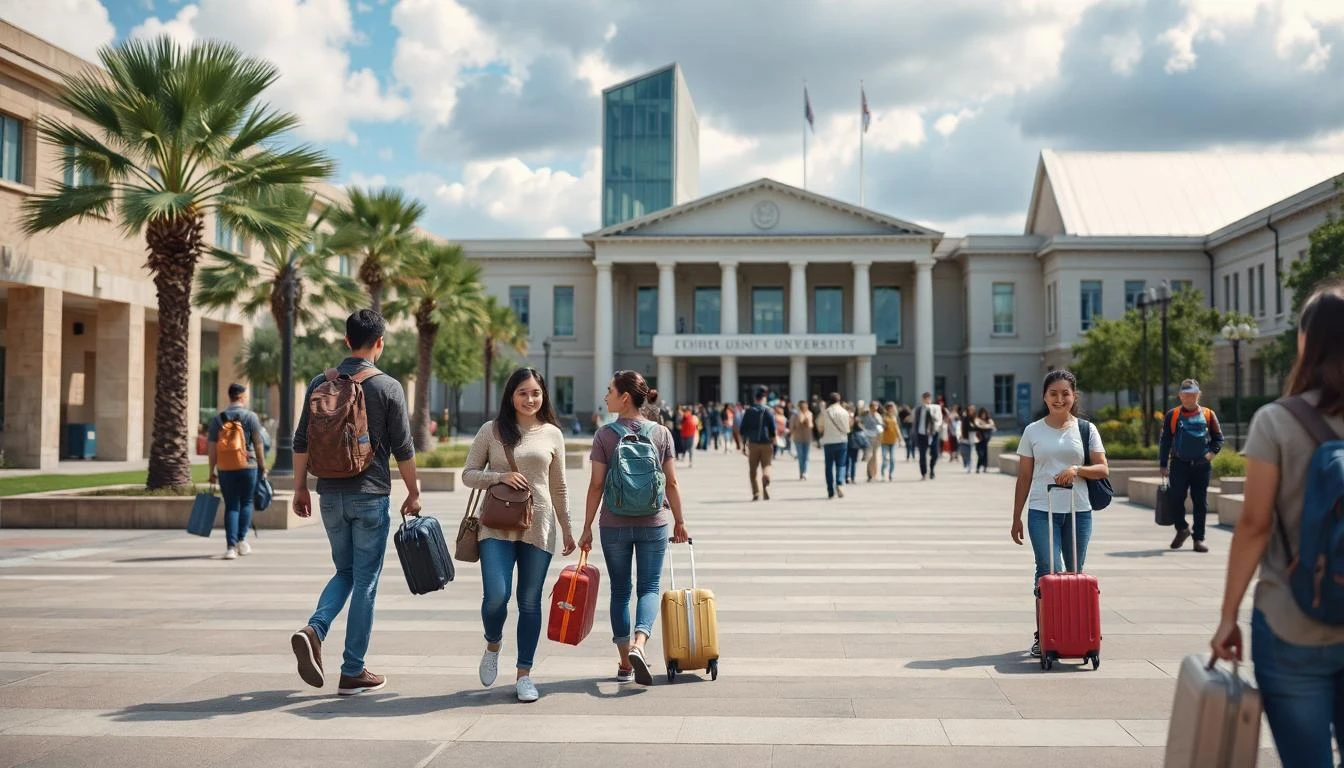
Immigration Routes Expand Worldwide
The world is becoming more connected than ever, and opportunities to study, work, and build a future abroad are expanding at a remarkable pace. From international students seeking world-class education to professionals looking for career advancement, immigration has evolved into a strategic pathway that opens doors to new experiences, economic growth, and long-term stability. As governments compete to attract talent, understanding the latest immigration developments has become essential for anyone considering a move overseas.
Today, worldwide immigration routes are no longer limited to traditional visa programs. They are increasingly linked to education, workforce demands, innovation sectors, and demographic needs. This transformation has created new possibilities for individuals who want to pursue global opportunities while securing a pathway toward permanent residency and long-term success in a rapidly changing world.
Understanding Modern Immigration Pathways
As immigration systems continue to evolve, many people find themselves asking the same question: which pathway offers the greatest opportunity? The answer often depends on personal goals, qualifications, and long-term plans. Understanding the different options available today can help prospective migrants make informed decisions while avoiding common mistakes.
Modern immigration pathways now provide more flexibility than ever before. Governments are creating targeted programs designed to attract students, skilled workers, entrepreneurs, and families, making international mobility more accessible across multiple regions.
Popular Immigration Destinations Worldwide
Several countries continue to stand out as preferred destinations for immigrants due to their strong economies, educational opportunities, and quality of life. Canada, Australia, Germany, New Zealand, and the United Kingdom remain among the most attractive options for individuals seeking long-term opportunities abroad.
Education has become one of the strongest drivers of migration in these destinations. International students are often given access to post-study work permits that can eventually lead to permanent residency. This approach benefits both governments and migrants by addressing labor shortages while supporting economic growth.
According to education expert Andreas Schleicher, Director for Education and Skills at the OECD, "Education is no longer just about acquiring knowledge; it is about creating opportunities in a globally connected world." His observation highlights why international education increasingly serves as a bridge toward migration and career advancement.
Key Requirements for Immigration Programs
While immigration programs vary between countries, several core requirements remain consistent. Applicants are commonly evaluated based on educational qualifications, language proficiency, work experience, health assessments, and financial capacity.
Many countries have introduced points-based systems that reward applicants who possess skills aligned with labor market needs. This trend has created favorable conditions for highly educated individuals and professionals working in high-demand sectors such as healthcare, technology, engineering, and education.
Prospective applicants searching for the best immigration routes for international students in 2026 should carefully examine eligibility requirements before beginning the application process. Thorough preparation often determines whether an application succeeds or encounters delays.
Common Challenges During Relocation
Relocating to a new country is exciting, but it also comes with challenges that many people underestimate. Cultural differences, housing arrangements, employment adaptation, and unfamiliar administrative procedures can create unexpected obstacles during the transition period.
Financial planning is another critical consideration. Tuition fees, living expenses, healthcare costs, and settlement expenses should be carefully calculated before departure. Individuals who prepare for these realities typically experience a smoother adjustment and greater long-term success.
Preparing Essential Immigration Documents
Even the strongest immigration profile can face setbacks if documentation is incomplete or inaccurate. Before focusing on destination choices, applicants should understand the importance of preparing the right documents from the beginning.
A well-organized documentation strategy not only improves processing efficiency but also reduces the likelihood of delays, requests for additional evidence, or application refusals.
Identity and Travel Documentation
Valid passports, birth certificates, educational transcripts, diplomas, and civil status records form the foundation of most immigration applications. Depending on the destination country, applicants may also need certified translations and notarized copies of official documents.
Maintaining accurate records is particularly important for students and professionals who may later pursue visa extensions, work permits, or permanent residency applications.
Financial and Sponsorship Requirements
Immigration authorities frequently require evidence that applicants can financially support themselves throughout their stay. This may include bank statements, scholarship awards, proof of employment income, sponsorship letters, or investment records.
For individuals exploring how to immigrate through international education programs, financial preparedness remains one of the most important factors influencing application outcomes. Demonstrating financial stability reassures immigration authorities that applicants can successfully settle and integrate into their new environment.
Legal Verification Procedures
Background checks, medical examinations, biometric collection, and police clearance certificates have become standard requirements in many immigration systems. These procedures help governments verify identity, maintain public safety, and ensure compliance with immigration regulations.
Accuracy and transparency are essential throughout this stage. Even minor discrepancies in submitted information can create complications that delay approval processes.
Immigration Policies and Recent Trends
Immigration policies are constantly changing in response to economic priorities, labor shortages, technological innovation, and demographic shifts. Staying informed about these developments can help applicants identify emerging opportunities before they become widely known.
Recent reforms demonstrate that many governments are actively seeking skilled individuals who can contribute to economic growth while helping address workforce gaps in critical sectors.
Changes in Global Immigration Systems
Many countries are modernizing their immigration systems through digital application platforms, faster processing procedures, and specialized visa categories. These changes aim to improve efficiency while attracting qualified candidates from around the world.
Relevant trends include international student visas, global talent programs, permanent residency pathways, migration policy reforms, work permit opportunities, cross-border education, and global workforce mobility. These developments reflect a growing emphasis on attracting talent capable of supporting long-term economic development.
Skilled Migration Opportunities
Skilled migration remains one of the most sought-after immigration categories globally. Demand continues to increase for professionals in healthcare, information technology, engineering, renewable energy, and education.
Many governments now prioritize applicants who possess qualifications that directly address labor shortages. This has strengthened the connection between higher education and immigration, particularly for international graduates seeking long-term settlement opportunities.
As immigration attorney Sophie Alcorn has noted, "Countries that attract global talent position themselves more competitively in the future economy." This perspective explains why skilled migration programs continue to expand across multiple regions.
Family and Permanent Residency Options
Family reunification remains a cornerstone of immigration policy in many countries. Citizens and permanent residents often have the opportunity to sponsor eligible family members, helping families remain connected despite geographic distance.
At the same time, long-term permanent residency pathways after international study have become increasingly attractive. Graduates who gain local work experience frequently find themselves in a stronger position to qualify for permanent settlement, creating a natural progression from education to long-term residency.
Start Your Immigration Journey with Confidence
The decision to immigrate is about more than securing a visa. It is about creating opportunities, expanding horizons, and building a future that aligns with personal and professional ambitions. Every successful immigration journey begins with careful research, realistic expectations, and a willingness to adapt to new environments.
The most successful applicants are often those who approach immigration as a long-term strategy rather than a single administrative process. They understand that education, skills development, professional experience, and cultural adaptability work together to create stronger opportunities in competitive immigration systems.
If you are considering studying, working, or settling abroad, now may be the ideal time to explore the expanding possibilities available through modern immigration programs. The opportunities are growing, the pathways are diversifying, and the future increasingly belongs to those who prepare for it today.
Learning how worldwide immigration routes continue to evolve can help you make smarter decisions, identify emerging opportunities, and confidently pursue your goals in an increasingly connected world. Explore your options, stay informed, and take the first step toward your global future.