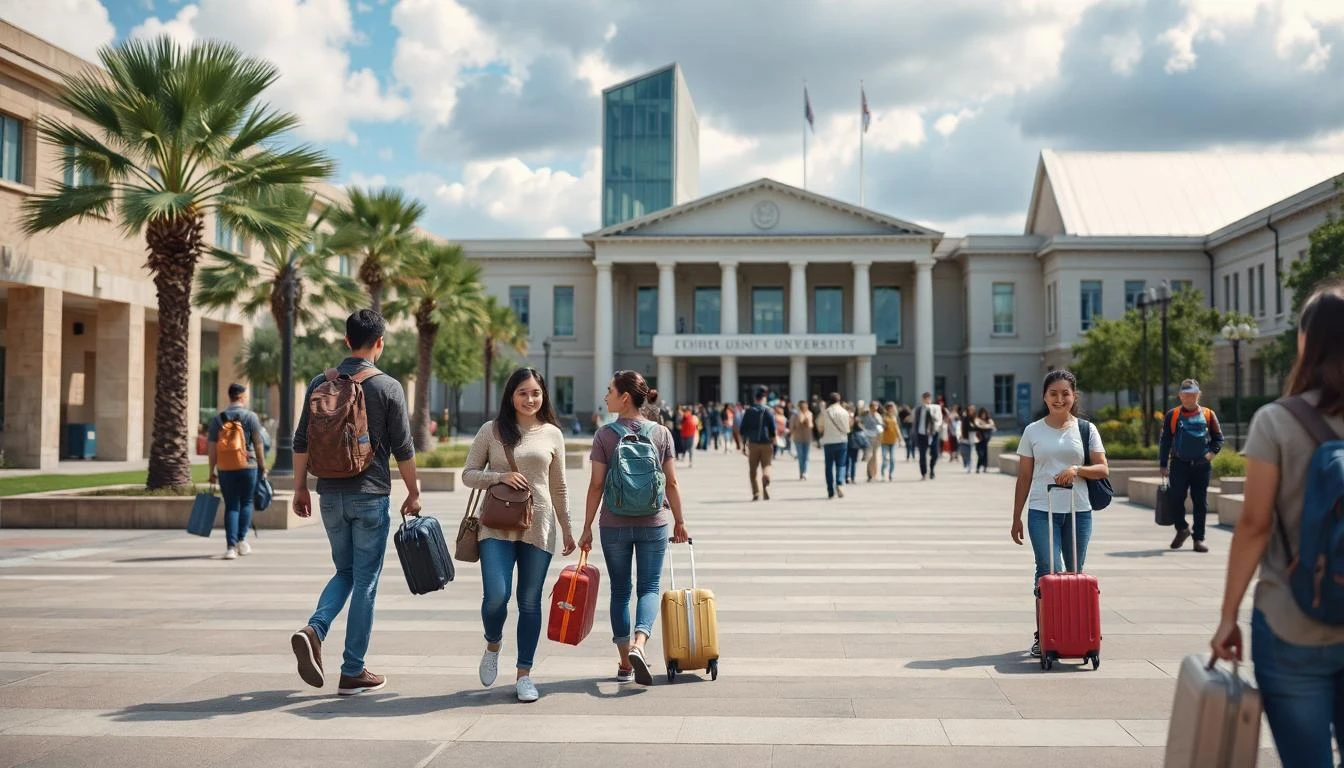
Visa Rules Drive New Applications

The global education landscape is undergoing a remarkable transformation. Students, researchers, and professionals are looking beyond their borders in search of better academic opportunities, international exposure, and pathways that can strengthen their future careers. As universities compete for global talent and governments invest in attracting skilled individuals, educational mobility has become one of the most influential trends shaping the modern world.
The growing number of new visa applications reflects this shift more clearly than ever. From undergraduate students pursuing world-class degrees to researchers seeking advanced opportunities, international education has become a strategic investment in personal and professional growth. Understanding the factors behind this increase can help applicants make informed decisions and navigate an increasingly competitive global environment.
Visa Application Fundamentals
As international education becomes more accessible, understanding the foundation of the application process is essential. While requirements differ from one country to another, evolving visa rules continue to influence how students and academic professionals prepare their applications. Knowing the basics can make the journey smoother and significantly improve the chances of approval.
Different Types of Visas Available
Educational migration is supported by various visa categories designed to accommodate different goals and circumstances. Student visas remain the most common option, allowing individuals to enroll in accredited institutions and pursue academic qualifications abroad.
Beyond traditional student visas, many countries now offer research visas, academic exchange visas, graduate work permits, and post-study pathways. These alternatives create greater flexibility for applicants who want to combine education with career development. As educational systems become increasingly globalized, understanding these options has become more important than ever.
Eligibility and Qualification Criteria
Every visa category comes with specific eligibility requirements. In most cases, applicants must provide proof of admission, demonstrate language proficiency, show adequate financial resources, and satisfy health or background screening requirements.
According to Stephen Yale-Loehr, Professor of Immigration Law at Cornell Law School, "Countries increasingly use immigration policy as a tool to attract global talent." His observation highlights why governments are refining eligibility frameworks to ensure that educational migration supports both academic institutions and economic growth objectives.
Choosing the Right Visa Category
Selecting the correct visa category can influence not only approval outcomes but also future opportunities after graduation. Applicants should carefully evaluate their study plans, program duration, and long-term professional goals before making a decision.
For example, some destinations offer pathways that transition directly from student status to employment opportunities. Others prioritize research-focused applicants or highly specialized fields of study. Taking the time to compare options can prevent costly mistakes and help applicants maximize their educational investment.
Building a Strong Visa Application
Submitting an application is only one part of the process. What truly matters is the strength and credibility of the information provided. A well-prepared application demonstrates organization, commitment, and a genuine intention to pursue educational goals abroad.
Required Supporting Documents
Supporting documents serve as the foundation of every application. These materials provide immigration authorities with evidence that applicants meet all necessary requirements.
Commonly requested documents include academic transcripts, acceptance letters, passports, personal statements, accommodation information, and proof of previous educational achievements. Providing complete and accurate documentation helps create a positive impression while minimizing unnecessary delays.
Financial Proof and Sponsorship
Financial preparedness remains one of the most closely examined aspects of any application. Immigration authorities need reassurance that applicants can support themselves throughout their studies without facing significant financial difficulties.
Applicants may rely on personal savings, scholarships, grants, sponsorship programs, or family support. Clear documentation of funding sources demonstrates stability and responsibility, two qualities that immigration officers often consider when evaluating applications.
Recent trends show growing interest in international study opportunities linked to workforce development and talent retention programs. This has contributed to increasing searches for terms such as student visa requirements for international education, how to qualify for study abroad visa approval, and best countries for educational migration pathways.
Application Accuracy and Compliance
Even a minor error can create complications during the review process. Missing information, inconsistencies, or inaccurate details may trigger requests for clarification or, in some cases, result in refusal.
Applicants should review every document carefully before submission. Accuracy demonstrates professionalism and respect for immigration procedures, both of which can strengthen overall application credibility.
Navigating the Visa Approval Process
Once an application has been submitted, many applicants find themselves entering the most uncertain stage of the journey. Understanding what happens next can reduce anxiety and help applicants prepare for potential requirements that may arise during the review process.
Interview Preparation Strategies
Not all visa categories require interviews, but when they do occur, preparation is essential. Interviewers often seek to confirm educational intentions, financial readiness, and future plans.
Successful applicants typically demonstrate confidence, consistency, and a clear understanding of their chosen academic programs. Practicing responses and reviewing application details beforehand can significantly improve performance during the interview.
Processing Timelines and Expectations
Processing times vary depending on destination, application volume, seasonal demand, and government policies. Some applications may be approved within weeks, while others require several months of review.
Understanding expected timelines allows applicants to plan effectively and avoid unnecessary stress. Early preparation remains one of the most effective ways to prevent complications related to enrollment deadlines and travel arrangements.
Common Reasons for Visa Refusal
Visa refusals often occur due to incomplete documentation, insufficient financial evidence, inconsistent information, or failure to meet eligibility standards. While refusals can be disappointing, understanding the reasons behind them provides valuable insights for future applications.
As immigration systems become increasingly data-driven, transparency and accuracy are more important than ever. Applicants who invest time in preparation often place themselves in a stronger position throughout the evaluation process.
Education policy expert Dr. Philip Altbach once noted that “international student mobility has become one of the defining characteristics of higher education globalization.” His statement reflects the growing importance of cross-border academic opportunities and the increasing demand for qualified applicants worldwide.
Apply for Your Visa and Take the Next Step Today
The future of international education continues to expand as governments, universities, and industries work together to attract talented individuals from around the world. New pathways, digital application systems, and post-graduation opportunities are creating possibilities that were far less accessible only a few years ago.
For aspiring students, researchers, and professionals, this evolving environment presents both opportunity and responsibility. Those who understand changing requirements, prepare thoroughly, and align their educational goals with future workforce demands are often better positioned for success.
The continued rise in new visa applications demonstrates that global education remains one of the most powerful tools for personal growth, career advancement, and international collaboration. Whether your goal is to earn a degree, conduct research, or build a global career, the decisions you make today can shape opportunities for years to come.
If you are considering studying abroad, now may be the ideal time to explore your options and begin preparing for the next chapter of your educational journey.